
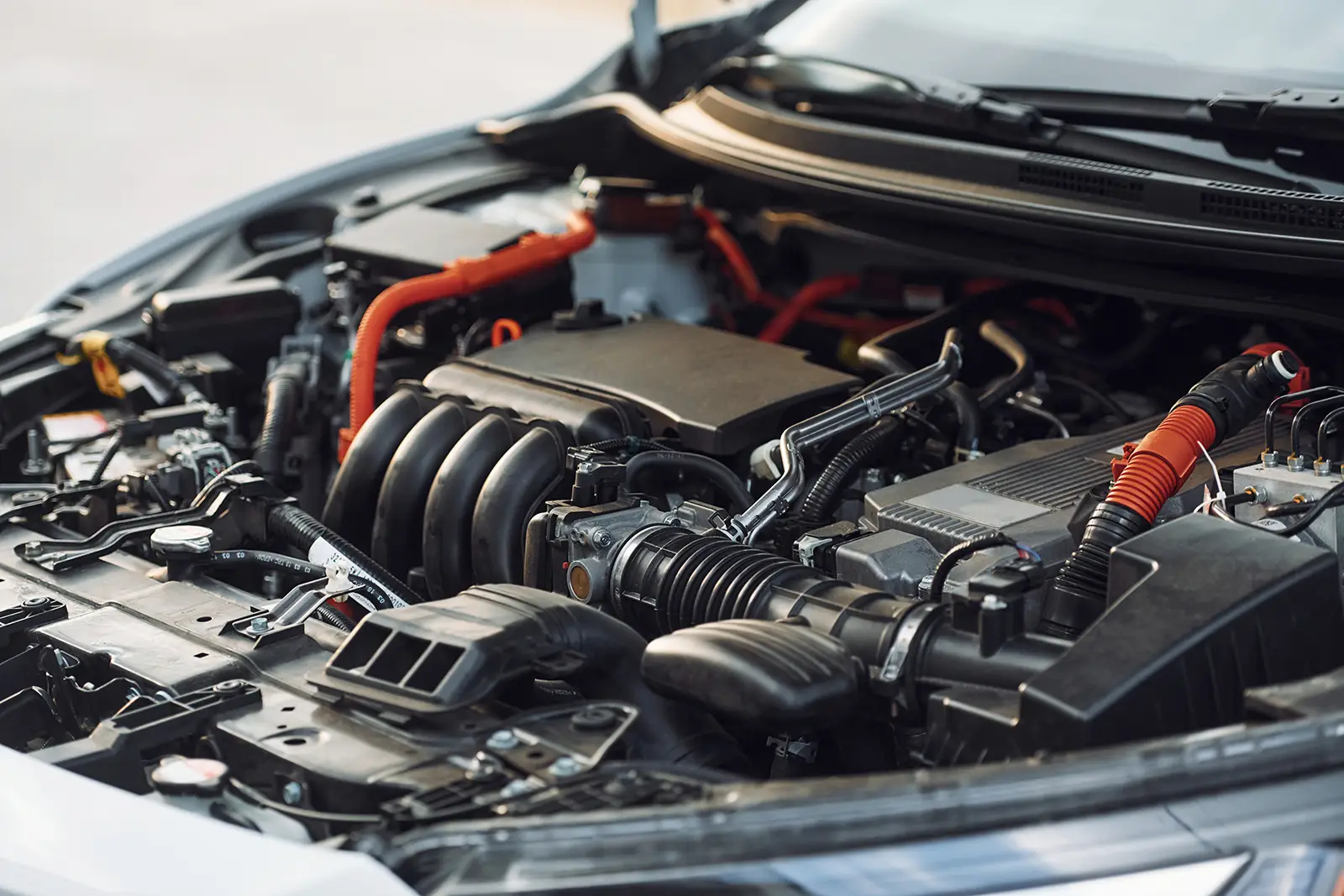
The engine is the operational center of the car, and its deterioration is often related to high temperatures, insufficient lubrication, and demanding driving conditions. Adopting a preventive inspection routine extends the lifespan of moving components, reduces internal friction, and stabilizes fuel consumption. Effective maintenance begins with oil changes performed at reasonable intervals, using viscosities appropriate for ambient temperature and driving style. The air filter plays a critical role: its saturation increases engine strain and impairs combustion, so replacing it frequently prevents power loss. Fuel quality directly influences internal deposits and residue; choosing reliable stations reduces the risk of misfires. Regularly monitoring noises, vibrations, and temperature fluctuations provides early warning signs to take action before a problem develops into a major breakdown.


